As an Aussie living in Kobe for 10 years, I figure I know a thing or two about good beef.
So when I was given the opportunity to try Oita Wagyu, I was a little sceptical.
In Japan, beef tends to be categorised into that from the well-known regions, “other wagyu” and then imported beef (including a decent amount of Aussie beef). Dining out on top-of-the-range premium brand wagyu is pricey, so I usually only do so on special occasions and when I have visitors from overseas who of course want to try Japan’s best beef close to the source.
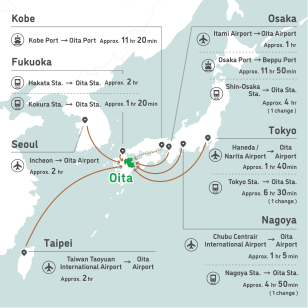
I’ve visited Oita Prefecture a few times—Beppu’s hot springs are amazing, the mountain hot spring resort of Yufuin has stunning natural scenery. But I’d never heard of Oita Wagyu. Apparently, I was not alone—most of the group of Japanese guests dining with me hadn’t either.
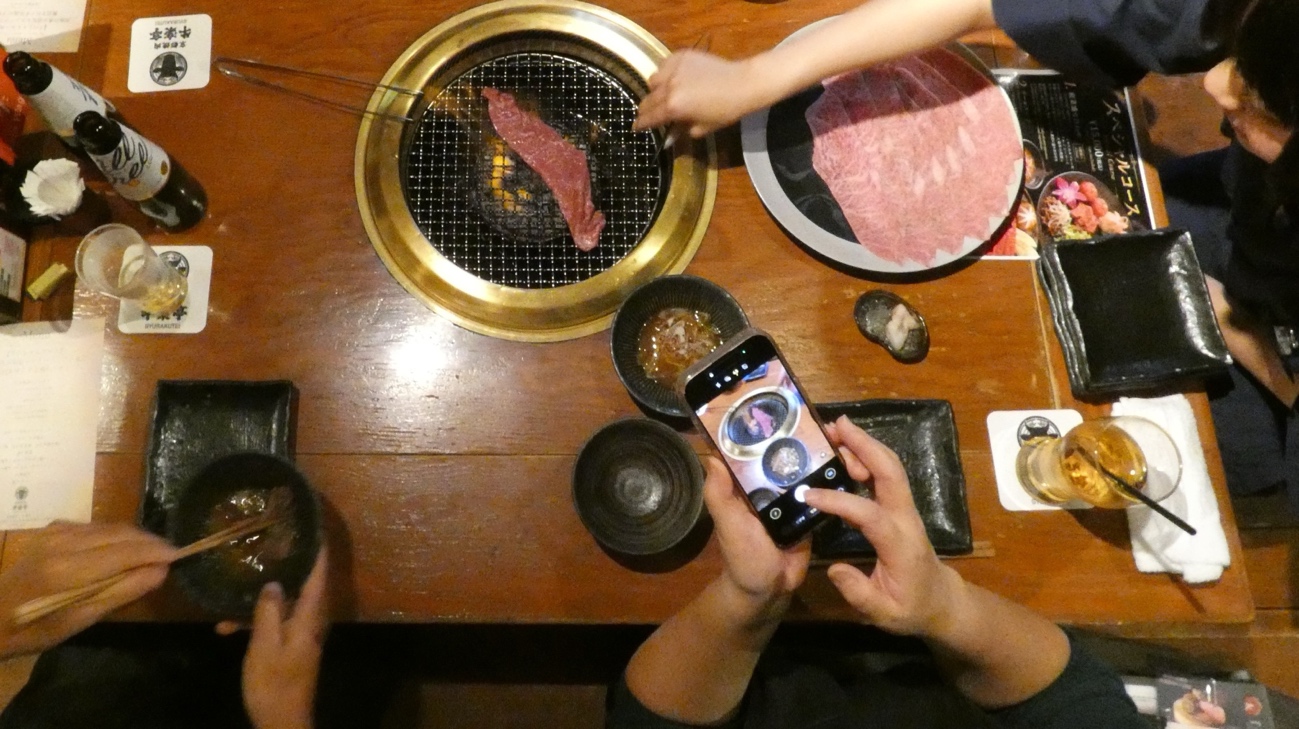
I came expecting a chef in a toque blanche putting on a performance. Instead, we enjoyed a more casual and intimate setting, with a built-in grill at our table. The waitstaff explained and demonstrated the best way to cook each course, and when we were confident we could manage, we were left to enjoy ourselves.
They took our drink orders—I asked what they suggested, expecting the answer to be red wine)—but they recommended beer—so that’s what I went with.
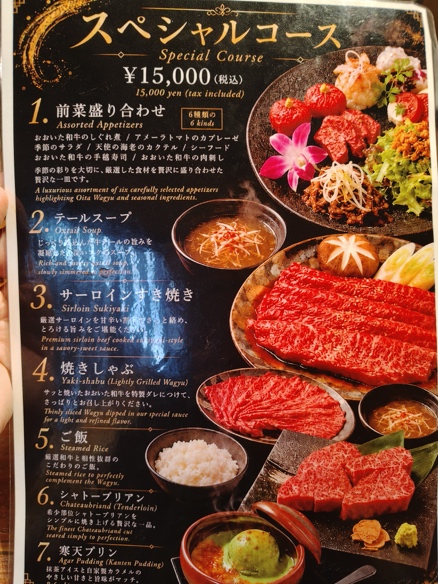
Then the courses started to arrive. We took the “Special Course.” This seemed the best way to go to experience the best on offer.
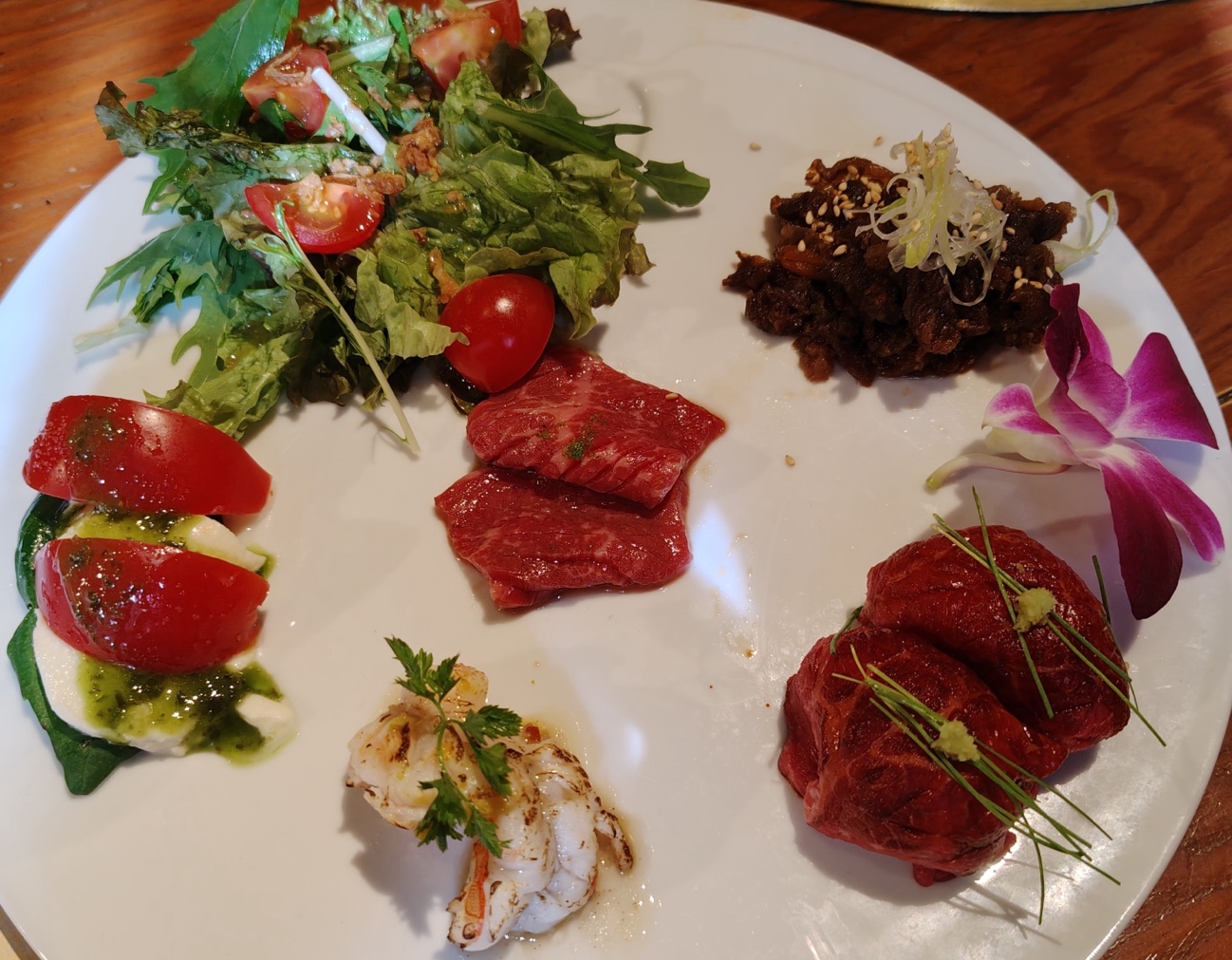
Our entrée was a diverse showcasing of the versatility of Oita Wagyu. A small bowl contained very thinly sliced beef served as shigure, stewed in mirin and soy sauce with a touch of citrus. This was accompanied by a mini Caprese salad of Amela cherry tomato, mozzarella and basil. There was also garlic shrimp, which tasted divine.
But the show stoppers were the raw beef offerings—sashimi, and temari sushi.
Faced with such a selection, it was hard to know where to start or finish—I am one of those who always tries to save the best until last, much to the amusement of my partner. So I tried each in turn, and finish up with the beef sashimi to savour the taste. Eaten raw, the beef is just slightly chewy, as you might expect, but definitely tasty, and not particularly fatty. It was a great way to arouse my curiosity and my appetite.
This was followed by Oita Wagyu tail soup, with a powerful umami enhances by the tender tail meat.
Next, we were served steamed rice—specially selected by an old Kyoto rice merchant (eighth generation!), but I was cautious of getting too full too soon.
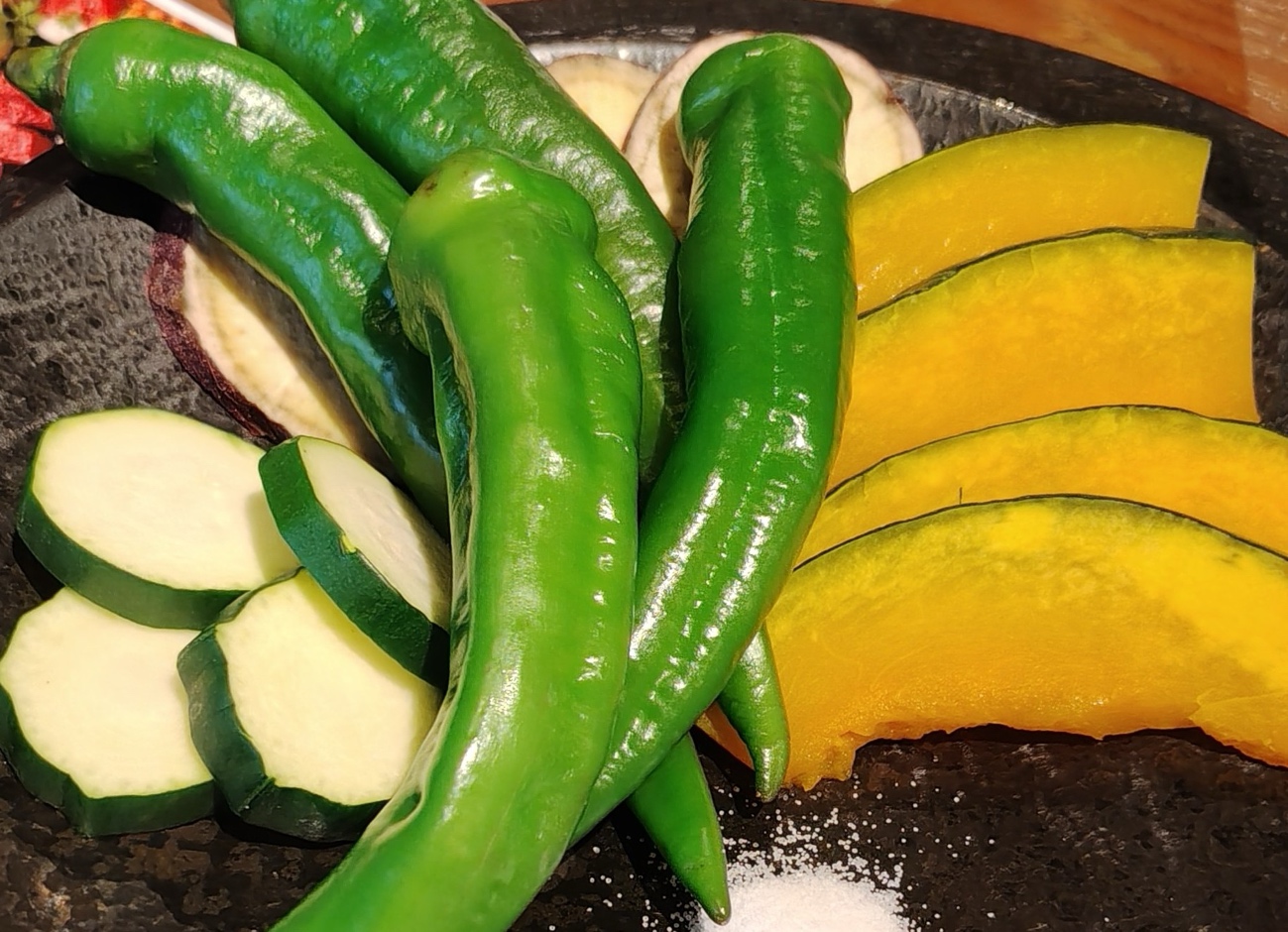
Fortunately, this was followed by a selection of steamed veggies from Kyoto. This was just what I needed for a pause between the rich meat courses. The vegetables could be eaten as served, but the waitress suggested to grill the slices to soften them.
The next course was known as “shabu,” but whereas shabu-shabu is generally thinly sliced meat that is briefly boiled then dipped in a citrusy ponzu sauce, we used the grill to mimic the effect.
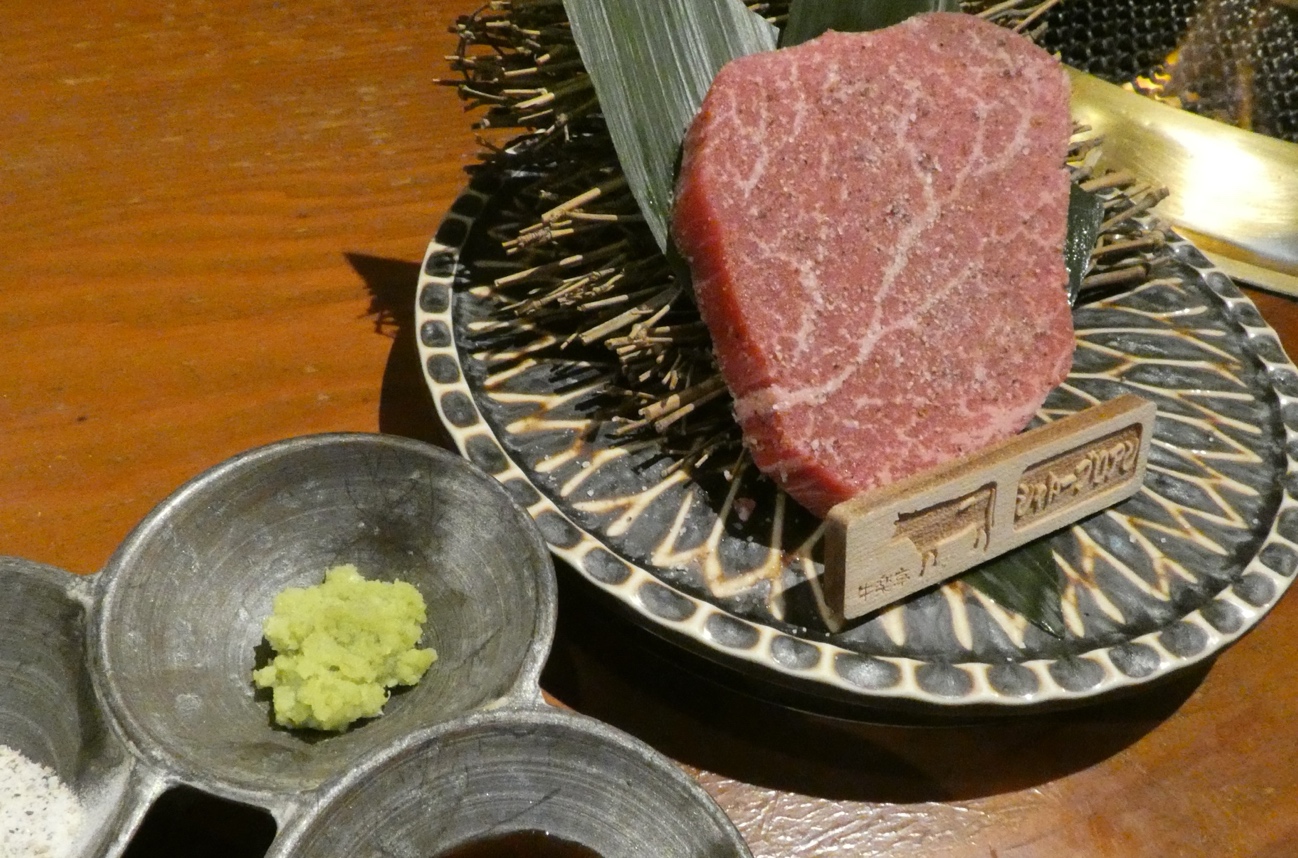
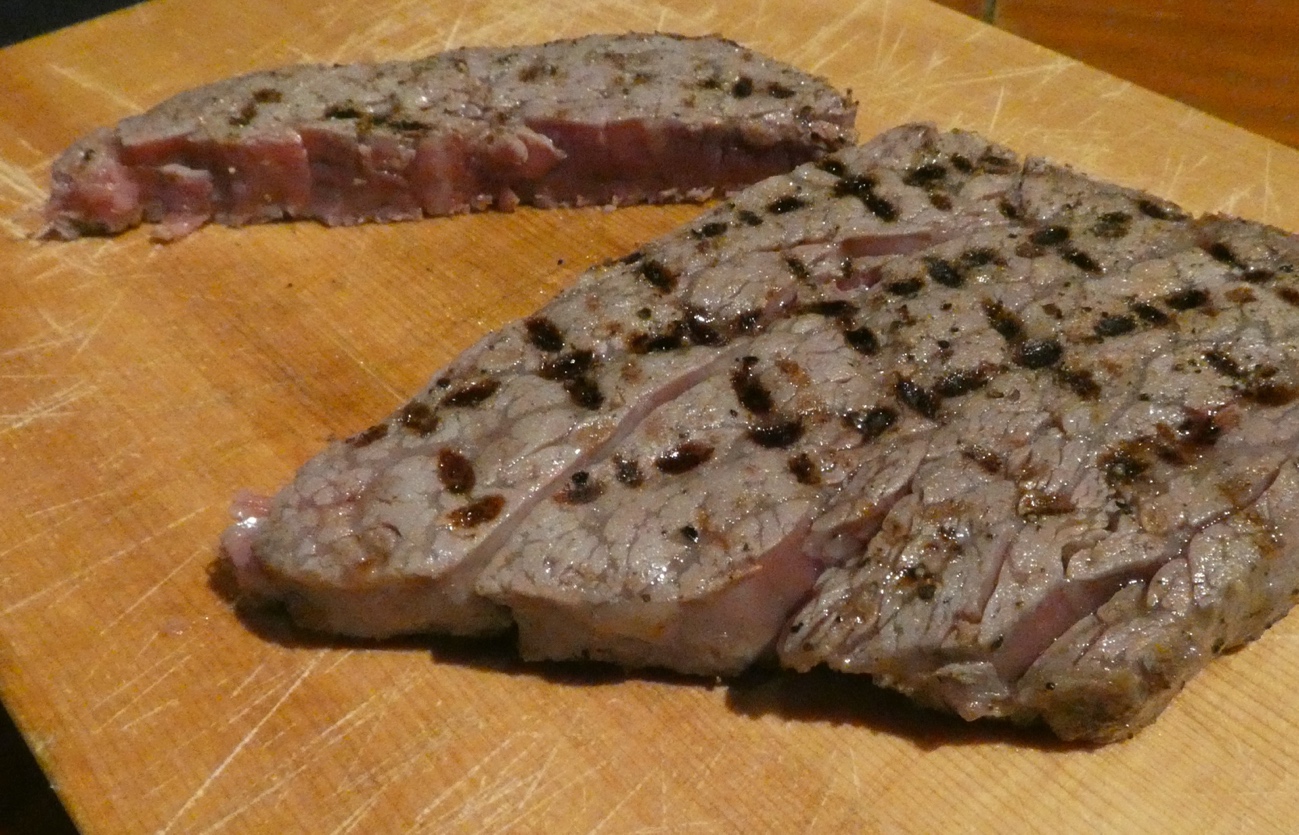
Naturally, they saved the best until last. The grand finale was a flavourful cut, peppered rare cut, chateaubriand. As I had control over how I cooked each slice, I tried it both rare and medium. This was by far the most tender cut of the course and was well worth the wait. The flavour was rich and exquisite, enticing you to take the time to savour each bite.
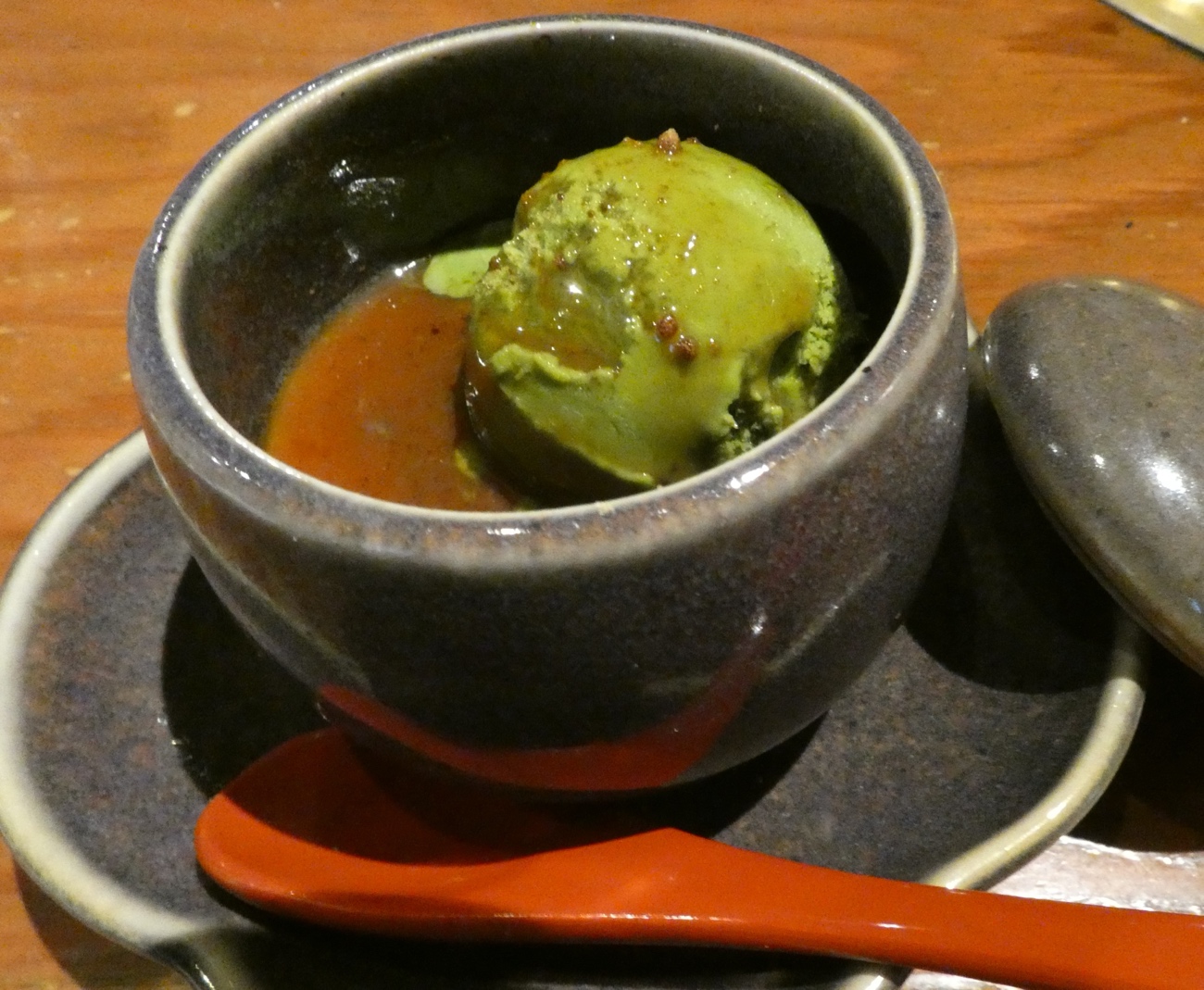
To finish, we had a small dessert of matcha jelly pudding with warm, refreshing corn tea.
Often with wagyu, the fattiness can quickly become overwhelming—but Oita Wagyu, while still tender and flavoursome, doesn’t feel as heavy. The cattle are fed a diet of rice, which boosts the meat’s oleic acid, and beer lees, which improves the quality of the meat.
Oita Prefecture is no newcomer to beef production—it has been winning awards in Japan since 1921. Broadly speaking, beef from is known as Bungo Beef, named after Bungo Province, the historical name of the area. The Oita Wagyu brand was more recently launched to designate the highest quality Bungo Beef. Japanese beef is graded from 1 up to 5 according to the appearance and texture of the meat, the quality of the fat and the degree of marbling. Oita Wagyu is graded 4 or 5. Furthermore, to receive certification requires the use of rice or beer lees as feed to produce the distinctive flavour. In addition, it traceable to individual cattle farms —the farmers are registered with the brand, and their photos and comments are published on the brand’s Japanese website.
The next question is where to try it. Naturally, it is easy to find in Oita Prefecture and neighbouring Fukuoka, but the Oita Wagyu website lists restaurants across Japan that serve Bungo Beef and Oita Wagyu. There are a number in Tokyo and surrounding prefectures, and an even wider selection in Osaka and Kyoto.
I visited Gyurakutei in Kyoto, a spacious two-floor restaurant with and an enthusiastic young manager and friendly staff. The previous manager switched to serving Oita Wagyu at Gyurakutei after he first tried it and was deeply impressed with the quality. The yakiniku restaurant is popular with locals and is now attracting a growing of inbound tourists. Our waitress said she struggled with her English when she first started working for Gyurakutei, but now she enjoys chatting with diners and showing them how to grill yakiniku themselves. The restaurant is in centrally located, not far from the Karasuma shopping district, and is able to cater to some allergies and other dietary restrictions. Seating upstairs is semi-private, and of course they supply diners with paper bibs to protect their clothing.
Meat lovers visiting Japan no doubt want to try the local wagyu. It’s worth the effort to do some research to hunt down top-of-the-range beef. It might be one the pricier meals you enjoy in Japan, but will probably seem like a bargain compared with the equivalent in Australia. While some visitors may already have a particular brand in mind, for those who aren’t sure, or if you’re interested in comparing different wagyu, I can promise you that Oita Wagyu will hit the spot.
REGION INFORMATION
Oita
 | Temperature: 7
Oita is located on the eastern coastline of Kyushu Island. Oita is most known for its unique landscapes and hot springs. The Beppu area boasts the largest output of hot spring water and the it’s home to countless hot spring resorts.