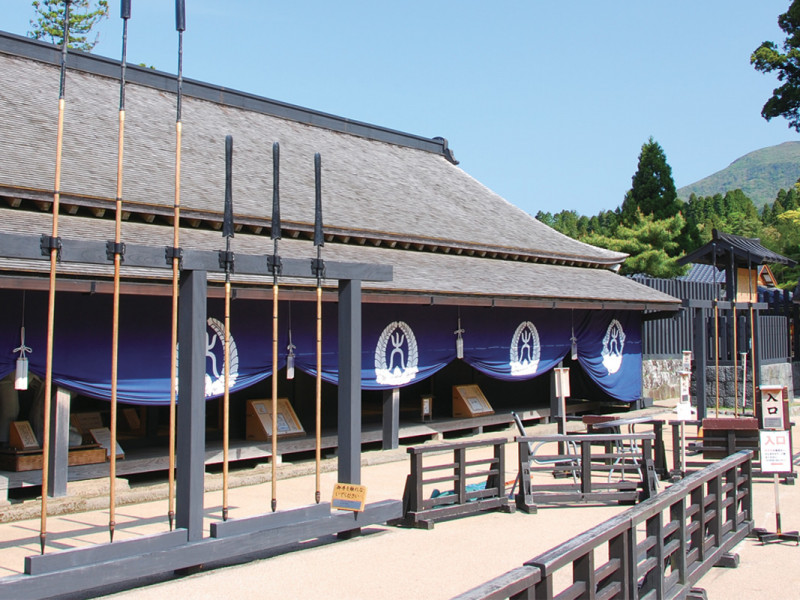
Wood has long played an important role in Japanese life. It has shaped temples, homes, furniture and household objects for centuries, and it remains an important material for contemporary designers.
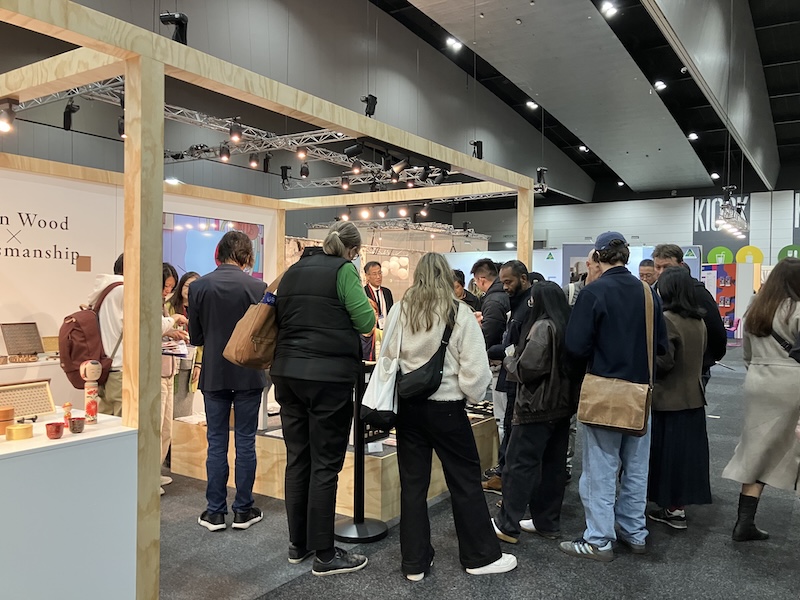
This enduring relationship with timber was on display when Japan made its debut at Decor + Design Melbourne this past July. The exhibit showcased traditional crafts, live demonstrations and modern products by Japanese designers, offering Australian audiences a glimpse into the craftsmanship at the heart of Japanese culture.
Intricate Hakone Yosegi-Zaiku sat alongside Odate Magewappa lunch boxes and award-winning contemporary designs. Together, they showed that Japan’s woodworking traditions are not simply being preserved: they are still being adapted, used and reinterpreted.
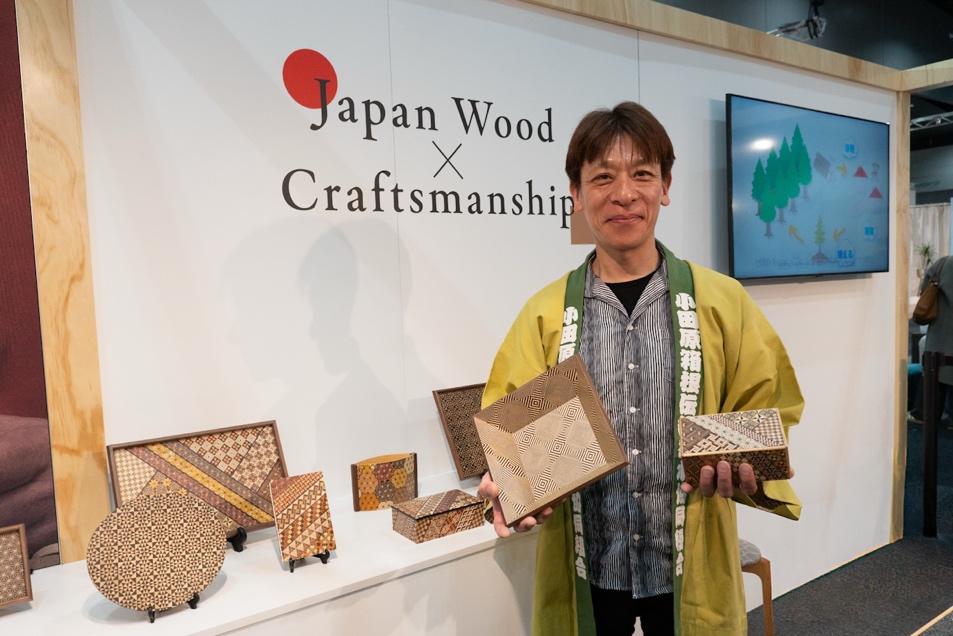
At its centre was Master Hakone Yosegi-Zaiku artisan Kazutaka Tsuyuki, whose live demonstrations revealed the remarkable precision behind one of Japan’s most celebrated traditional crafts.
Meet the Master
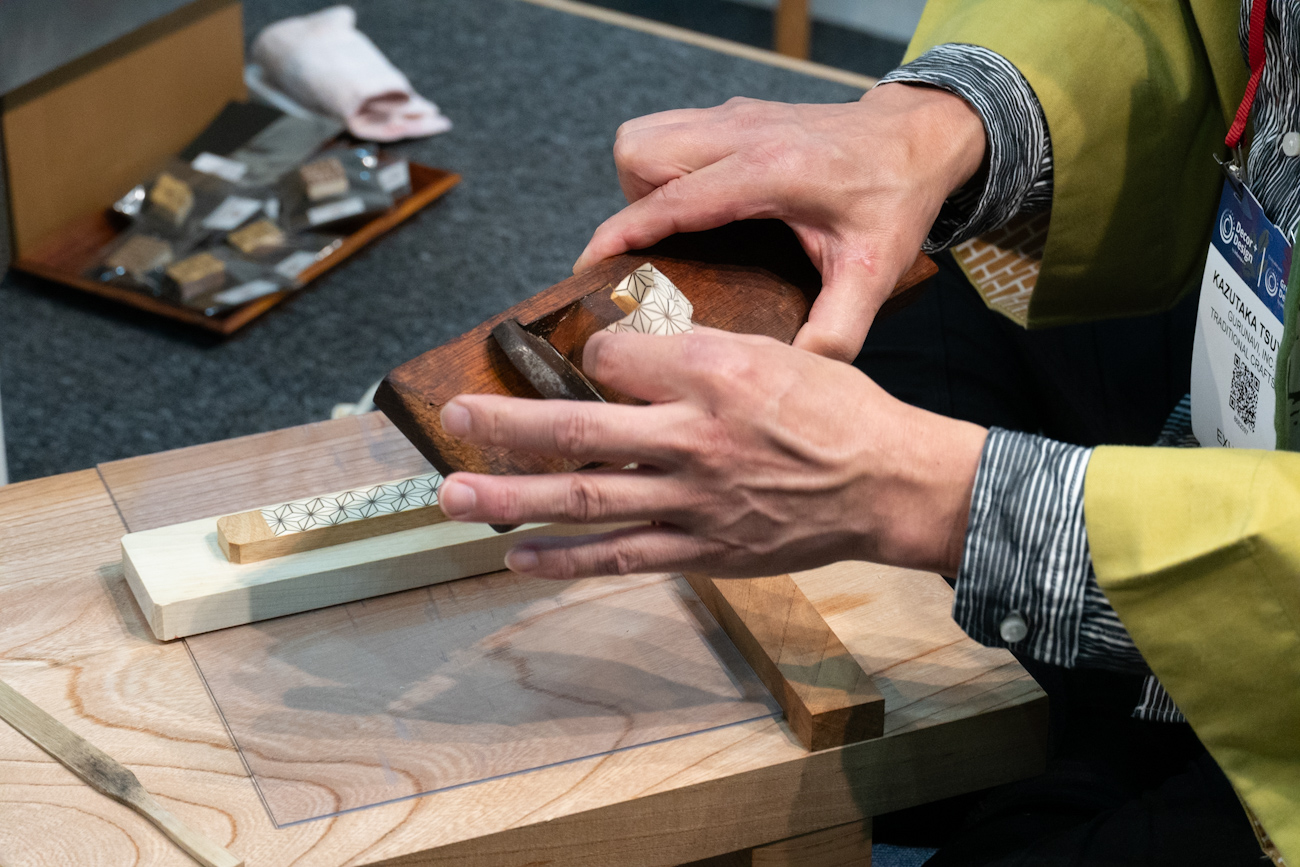
Visitors gathered around as razor-thin sheets of patterned timber curled away beneath Mr Tsuyuki’s hands. As he handed the slivers to onlookers, people gasped at the thinness, lifted the pieces to smell the freshness and marvelled at the intricate patterns. Others tried their hand at opening the multi-step himitsu-bako (secret puzzle boxes), with only a few people able to slide the right pieces back and forth to unlock the intricately designed boxes.
A third-generation craftsman, Mr Tsuyuki is one of only six nationally certified Japanese Masters of Traditional Crafts practising the craft of Yosegi-Zaiku.
Dating back to the Edo period, Hakone Yosegi-Zaiku artisans use techniques that involve cutting wood into precise strips, binding them into patterned blocks, slicing or shaving thin decorative sheets from the block, then applying those sheets to boxes, trays, accessories, furniture and puzzle boxes. The result is an intricate mosaic of geometric patterns created entirely from the natural colours of more than 50 species of wood – without the use of dyes, stains or paints.
The craft requires extraordinary patience and precision, and a skill for making beauty from simplicity.
Mr Tsuyuki works with many different kinds of timbers, from Japanese cedar to cypress, cherry and magnolia. Rather than favouring one species over another, he says understanding the character of each timber is essential.
“Every wood is different, you have to know how they change with humidity and temperature and understand how they will change and react when you are working,” he says.
“When designing a piece, I look for a balance of colour and texture. I also consider what timber will work best for the piece that I’m crafting. It can sometimes take me up to two years to think about, plan and design a piece.”
Similarly, becoming an artisan isn’t a quick process. It takes at least 10 years to become a qualified artisan and another decade to achieve Master status. Artisans must undertake a test to demonstrate their skill, and participating in these exams require permission from other established artisans in the area – “an acknowledgement that you’re good enough,” Mr Tsuyuki says.
“But even a lifetime isn’t long enough to master this craft,” he says. “There are always new things to try and to learn.”
More than beautiful objects
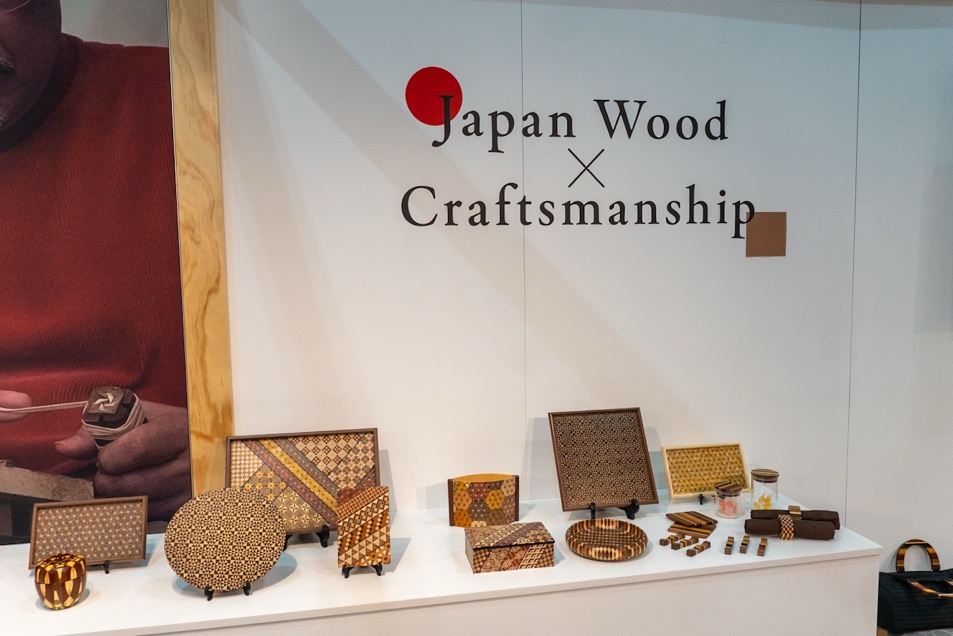
While Hakone Yosegi-Zaiku captivated visitors in Melbourne with its intricate geometric patterns, it is just one example of Japan’s rich woodworking crafts.
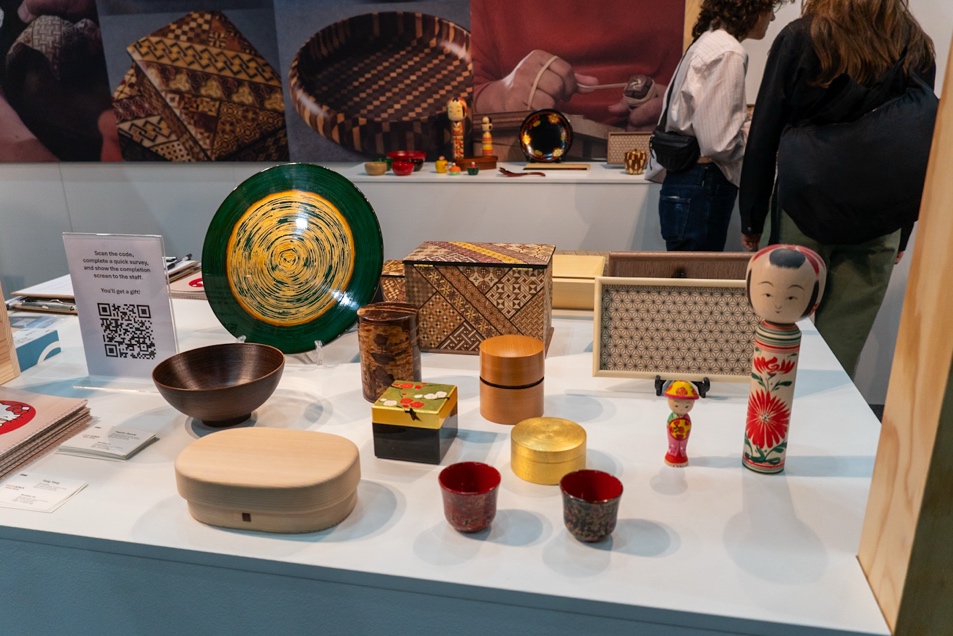
Across the country, artisans have developed distinctive traditions shaped by local forests, regional histories and the practical needs of everyday life. In Akita Prefecture, Odate Magewappa craftspeople transform locally grown cedar into elegant bentwood lunch boxes and trays. Across the hot spring towns of the Tohoku region, woodturners developed distinctive styles of kokeshi dolls. Elsewhere, artisans apply layer upon layer of lacquer to timber, creating bowls, trays and decorative objects.
Although each craft has evolved in its own way, all share a deep respect for local timbers, meticulous craftsmanship and skills passed from one generation to the next.
Despite concerns that traditional crafts in many parts of the world are struggling to attract younger generations, those working within Japan’s woodcraft industries are optimistic about the future.
Yohei Kato, the representative at Japan’s exhibit at the Decor+Design Show, says that Japanese craftsmanship is unique in that it is handed down from generation to generation, and that is helping to ensure its longevity.
“Rather than disappearing, many traditions are finding a new audience, with younger generations rediscovering the value of handmade craftsmanship and, in some cases, returning to family workshops to learn skills passed down through generations,” he says.
“They are bringing new ideas and new designs and modernising many crafts. They are making them ‘cool’ again and it’s very exciting to see.
“Interest isn’t just growing within Japan. We are also seeing a growing interest in Japanese wood culture and craftsmanship from foreigners, and that also helps.”
A culture shaped by wood
Japan’s woodworking traditions have endured because they’ve never stood still. While centuries-old techniques remain at their core, today’s artisans and designers are finding new ways to apply those skills, creating contemporary furniture, interiors and everyday objects that honour tradition while meeting modern needs.
That relationship with wood is closely tied to Japan’s landscape. With forests covering around two-thirds of the country, timber has shaped Japanese homes, temples and everyday objects for centuries. Today, sustainable forest management – including responsible harvesting, replanting and the use of domestic timber – is helping ensure this vital resource continues for future generations.
“The world’s oldest wooden architecture is in Japan,” Mr Kato says, referring to the UNESCO World Heritage-listed Horyuji Temple in Nara Prefecture, believed to have been built more than 1,400 years ago. Much of the temple was constructed using intricate interlocking wood joints rather than nails or metal fasteners.
“We are very proud of this and also proud of how we use timber sustainably in Japan. The circular use of goods is very important to us. We take trees to turn into products but we also continually plant trees to ensure that future generations will continue to benefit.”
Initiatives such as the Wood Design Awards celebrate this philosophy. The annual awards – supported by the Forestry Agency of Japan – showcase exceptional products that elevate the natural beauty and value of wood through outstanding design. Winning designs span architecture, furniture, interiors and everyday products, and demonstrate how traditional knowledge continues to influence contemporary Japanese design.
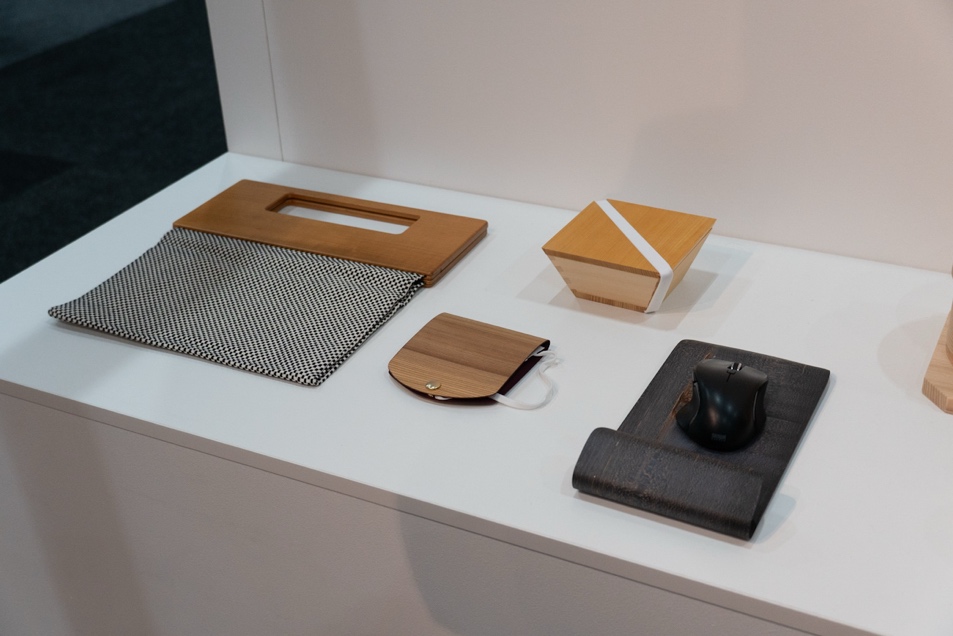
At the Decor + Design Show in Melbourne, award-winning designs were on display, including a mask case, handbag, bowl and mousepad – all crafted by Japanese designers using Japanese timber.
Following the craft trail
For travellers inspired to discover these traditions firsthand, Japan’s artisan towns offer the chance to see centuries-old skills still practised today.
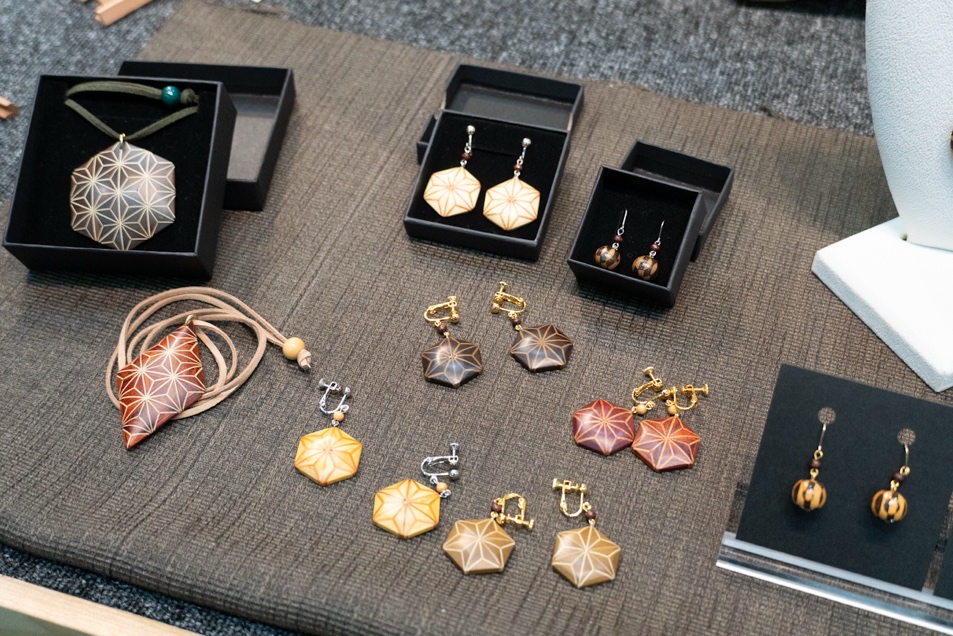
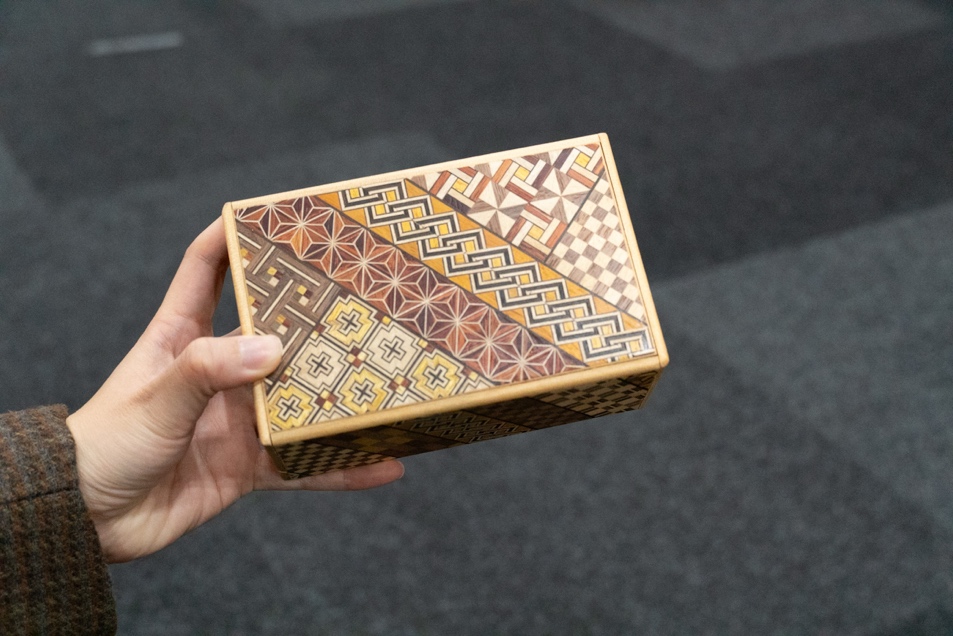
In Hakone’s small villages, workshops continue to produce the intricate Yosegi-Zaiku marquetry that has become synonymous with the region. Visitors can watch artisans at work, browse family-run studios and take home everything from decorative boxes to the famous himitsu-bako (secret puzzle boxes), each crafted using the distinctive geometric patterns that have defined Hakone woodworking for generations.
Further north in Akita Prefecture, the city of Odate is the birthplace of Odate Magewappa. Here, locally grown Akita cedar is transformed into elegant bentwood lunch boxes, trays and tea caddies using techniques that have changed little over the past four centuries. Some workshops welcome visitors, offering demonstrations and opportunities to learn about the craftsmanship behind these deceptively simple everyday objects.
The Tohoku region is also home to Japan’s traditional kokeshi dolls, with hot spring towns such as Naruko and Togatta each developing their own distinctive style over generations.
Meanwhile, destinations including Wajima, renowned for its exquisite lacquerware, and the beautifully preserved old town of Takayama, celebrated for its timber architecture and woodworking heritage, reveal the remarkable diversity of Japan’s craft traditions.
Mr Kato encourages travellers to venture beyond Japan’s major cities to discover these regional crafts firsthand and support the artisans keeping them alive.
“In Japan, we have a tradition called omiyage,” he says. “When you visit somewhere, it’s customary to bring something home that represents that place, whether for yourself or as a gift for family, friends or colleagues.”
While omiyage often refers to local food specialities, handcrafted objects offer a more enduring reminder of a journey. A Yosegi puzzle box from Hakone, a magewappa lunch box from Akita or a hand-painted kokeshi doll from Tohoku each carries the story of the region where it was made – and helps support the communities and artisans who continue these traditions today.
For visitors unable to travel to Japan’s artisan towns, many traditional crafts can also be found in specialist stores across Tokyo and, increasingly, through retailers in Australia.
While Japan’s debut at Decor + Design Melbourne lasted only three days, the traditions it showcased stretch back hundreds of years. From Hakone’s intricate geometric marquetry to Akita’s bentwood craftsmanship, these regional skills continue to evolve while remaining deeply connected to the forests, landscapes and communities that shaped them.
For anyone inspired by what was on display in Melbourne, the next step is obvious: book a trip to Japan and experience these traditions where they were born.