Contents
- Easy transport tips for first-time visitors to Japan
- How Japan’s railway ticket gates work
- Kintetsu Railway: Convenient for travelling between Osaka, Kyoto and Nara
- Explore Osaka, Kyoto and Nara by Kintetsu
- Sightseeing Limited Express Trains
Easy transport tips for first-time visitors to Japan
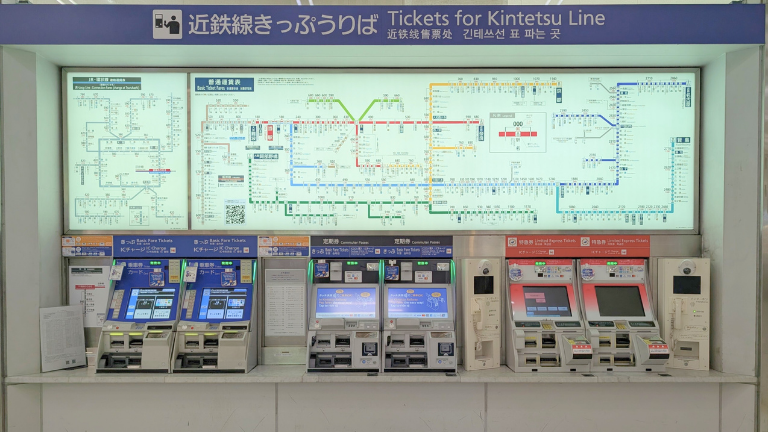
Japan’s railway system is world-famous for its punctuality and convenience. Whether you’re exploring a city or travelling between destinations, trains are one of the most efficient and reliable ways to get around.
However, for first-time visitors, Japan’s railway network can feel a little complicated. Unlike Australia, where public transport is generally run by state governments, Japan has multiple private railway companies, each with its own ticketing and payment systems.
Many travellers start by purchasing a transport IC card, but there is actually a simpler option available: you can often travel using the credit card you already carry to tap and ride at the gates.
To make the most of your time in Japan, it’s useful to understand how the railway system works and pick the payment method that makes your journey as smooth and stress-free as possible.
How Japan’s railway ticket gates work
When travelling by train in Japan, you need to decide on your payment method before entering the ticket gates. The main options are purchasing a paper ticket at a ticket machine, using a prepaid transport IC card, or tapping a contactless credit card at the gate, which is becoming increasingly available. Each option has its own features, so choosing the best one for your itinerary will make your journey smoother and stress-free.
Main Payment Methods
Paper Tickets
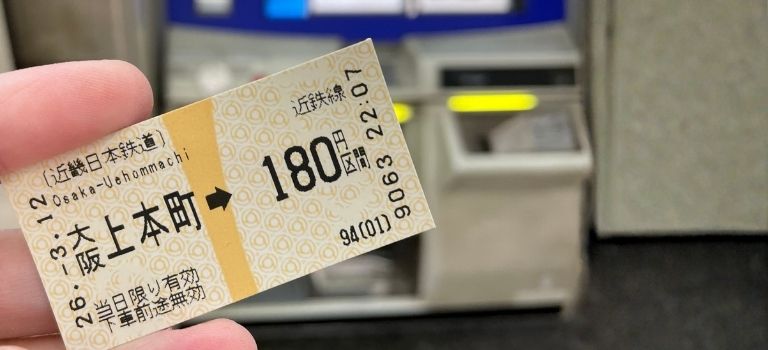
- Purchased from ticket machines at stations for your specific destination.
- You need to check the correct fare before buying, and if your journey involves multiple transfers, you may need to purchase additional tickets along the way.
Transport IC Cards
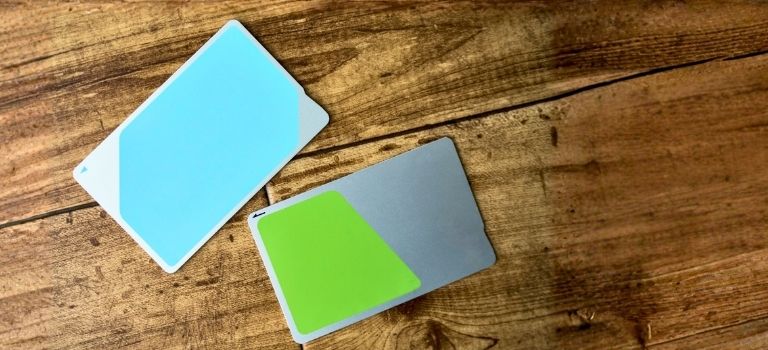
- A prepaid transportation card.
- Available for purchase at stations, and can also be added to your smartphone wallet.
- Requires advance top-ups, and if the balance runs out you will need to recharge the card.
Tap to Ride: Contactless Credit Card Payment

- Tap your credit card, debit card, or a card registered in your smartphone wallet at the ticket gate.
- You can simply use the credit card you already carry.
- No need to buy tickets, top up a card, or download a special app.
Why Contactless Credit Card Payment Is Recommended
Many travellers automatically reach for a transport IC card, but this method always requires pre-loading credit onto the card.
If you forget to top it up, you might get stopped at the ticket gate while rushing to your destination, scrambling to find a ticket machine. On the other hand, if you load too much, you could be left with a balance that needs to be refunded at a specific counter before leaving Japan.
A smarter approach is to use contactless credit card payment as your main method, keeping an IC card as a backup.
Not all train lines currently support contactless payment, but wherever it is available, using your credit card makes travel easier. It frees you from topping up a card and reduces the risk of ending up with leftover balance you can’t spend.
The simplest strategy: use contactless payment wherever possible, and only rely on an IC card on lines that don’t support it. Following this approach will make getting around Japan much smoother and stress-free.
Kintetsu Railway: Easy Travel Between Osaka, Kyoto and Nara
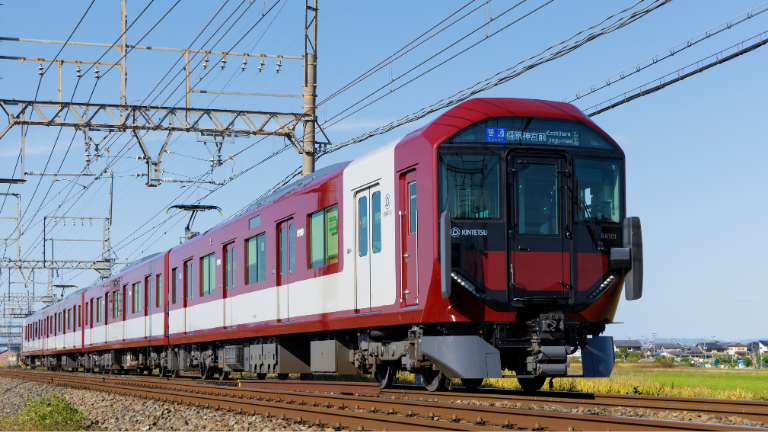
Osaka, Kyoto and Nara are three of Japan’s most popular and unique destinations. Osaka is famous for its vibrant city life and world-renowned food culture. Kyoto is rich in history and traditional culture, while Nara is known for its ancient temples, shrines, and World Heritage Sites. Many travellers choose to explore all three cities on the same trip, and Kintetsu trains make it easy to get between them quickly and comfortably.
Kintetsu Railway links Osaka, Kyoto and Nara, giving easy access to many of the region’s top sightseeing spots—making it a key transport option for travellers. Kintetsu also supports contactless payment*. Just tap your credit card, debit card, or smartphone wallet at the ticket gate to ride—no need to buy tickets or top up a card.
*Some lines are excluded.
How to Use Tap to Ride
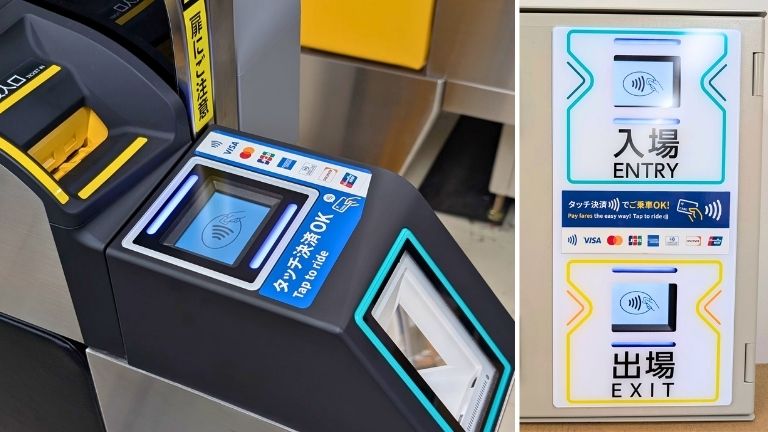
Cards that support contactless payment have a wave-like symbol that can be scanned at the ticket gate.
- Prepare a compatible card or smartphone
You can use contactless cards from Visa, Mastercard, JCB, American Express, Diners Club, Discover, and UnionPay. Cards stored in your smartphone wallet also work. - Tap at the ticket gate
Hold your card or smartphone firmly on the reader at the gate for about one second. Make sure you use the same card or device when entering and exiting. - Ride and exit as usual
Once you tap, you can board the train. When you leave, tap again at the gate and the fare will be automatically calculated.
Things to Keep in Mind
- Use the same card or device for entry and exit
You must use the same card or smartphone when entering and leaving the station. Using a different card or device may cause the fare to be calculated incorrectly. - Cannot be combined with other tickets
Contactless payment cannot be used together with other types of tickets such as commuter passes or multi-ride tickets. - Child fares are not supported
Child fares are not automatically applied when using contactless payment. Children should use a paper ticket or a transport IC card instead.
For more details, click here.
Explore Osaka, Kyoto and Nara by Kintetsu
Using Kintetsu makes it easy to visit major sightseeing areas across the three regions. Here are some popular destinations along the Kintetsu lines.
Osaka
Osaka is one of Japan’s most vibrant cities, offering everything from amazing food and lively streets to historic landmarks. Bustling shopping areas and local markets are spread across the city, and just wandering around is enough to soak up Osaka’s unique energy.
Dotonbori & Shinsaibashi Area
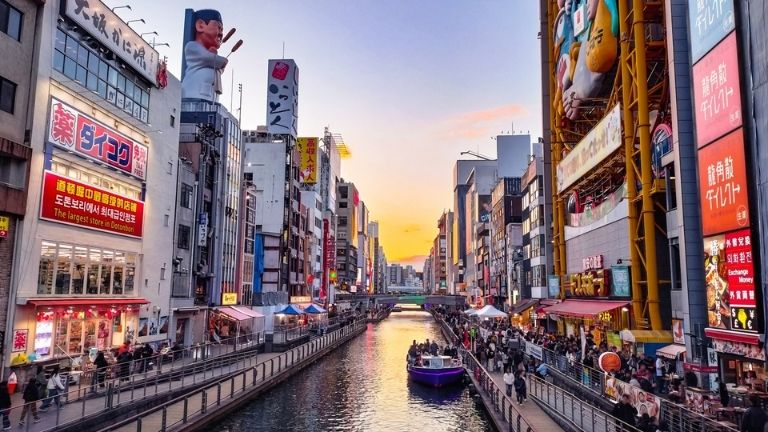
An iconic entertainment district that captures the spirit of Osaka, with neon lights and giant billboards everywhere. The area is full of restaurants and shops, perfect for sampling street food or browsing for souvenirs. Even just strolling along the Dotonbori Canal gives you a real sense of the city’s vibrant energy.
Kuromon Market Area
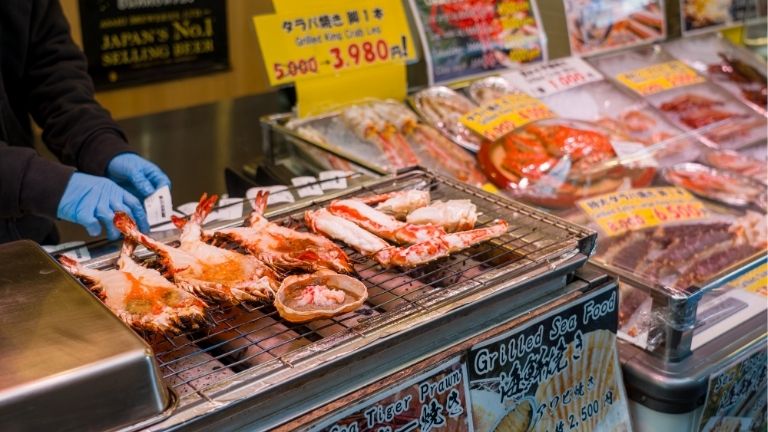
Known as “Osaka’s Kitchen,” this historic market is packed with high-quality Japanese ingredients, from fresh seafood and premium wagyu beef to seasonal fruits. It’s a lively spot where you can soak up the sights, smells, and flavours of local Osaka food culture.
Shinsekai & Tsutenkaku Area
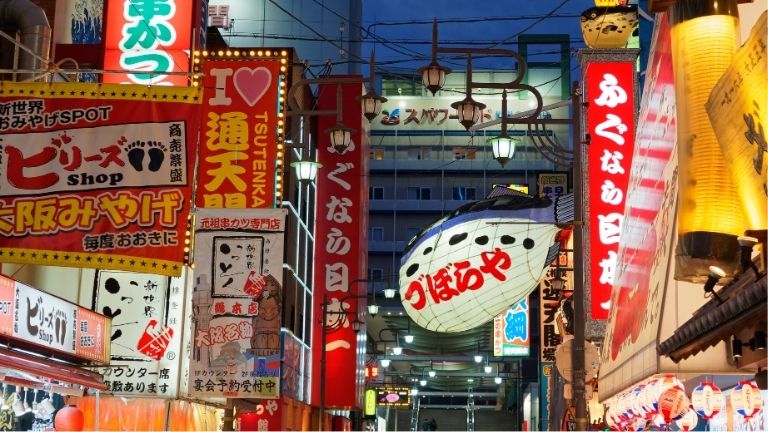
This neighbourhood is full of local eateries and gives a taste of Osaka’s more nostalgic, down-to-earth side. From Tsutenkaku, the area’s iconic observation tower, you can take in panoramic views across the city.
Explore more sightseeing spots and areas in Osaka here.
Kyoto
Kyoto Prefecture is a region where traditional culture and history are everywhere, offering visitors a chance to experience Japan’s traditional culture and classic streetscapes. From the beautiful scenery of gardens and temples that change with the seasons to traditional crafts and Japanese sweets, Kyoto offers a rich cultural atmosphere unique to the area.
Kyoto Station Area
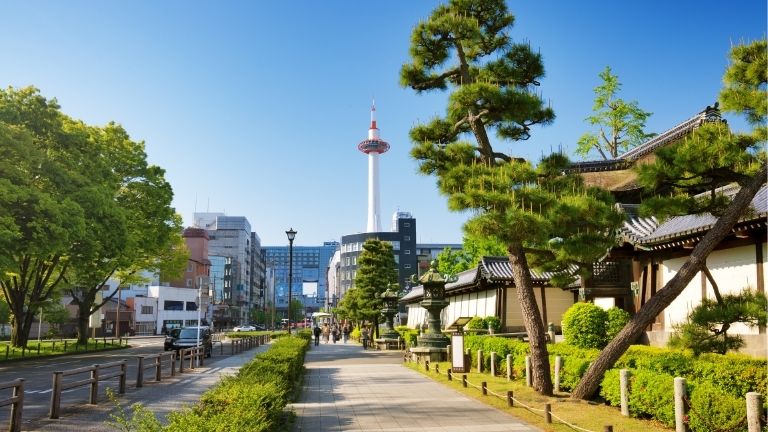
The main gateway for exploring Kyoto, where a modern station complex sits alongside the city’s historic streets. The area is packed with large shopping malls, hotels, and tourist information centres, making it a convenient base for your adventures in the city.
Toji Area
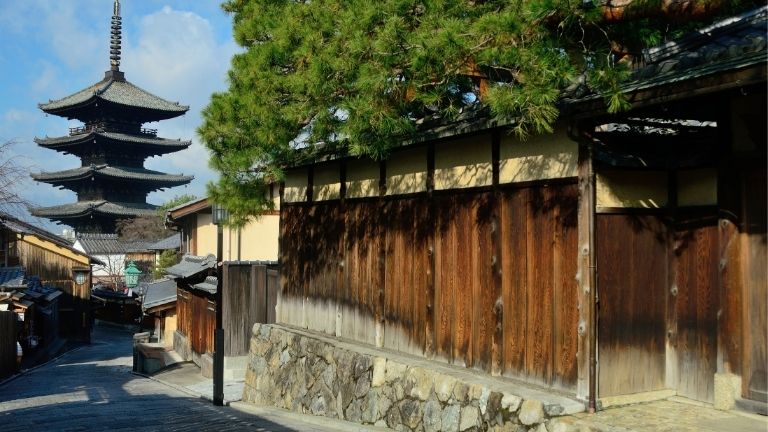
Centered around Toji Temple, a UNESCO World Heritage Site home to Japan’s tallest five-storey pagoda, this area is lined with massive wooden buildings over 1,200 years old. Visitors can really feel the depth and history of Kyoto as they explore this remarkable district.
Explore more sightseeing spots and areas in Kyoto here.
Nara
Nara Prefecture is a region where nature and history are close at hand. Visitors can explore famous sites—including World Heritage landmarks—in a calm, relaxed atmosphere. Stroll through quiet streets lined with traditional Japanese houses to fully experience the charm and culture of this ancient area.
Nara Park Area
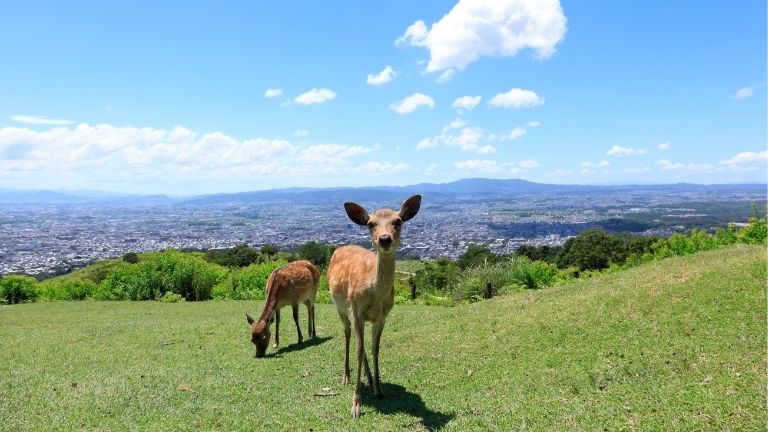
A sprawling natural park home to World Heritage sites like Todaiji Temple and Kasuga Taisha Shrine. Visitors can not only admire the stunning historic temples but also enjoy the unique experience of interacting with the park’s friendly wild deer—an encounter you won’t find anywhere else in Japan.
Naramachi Area
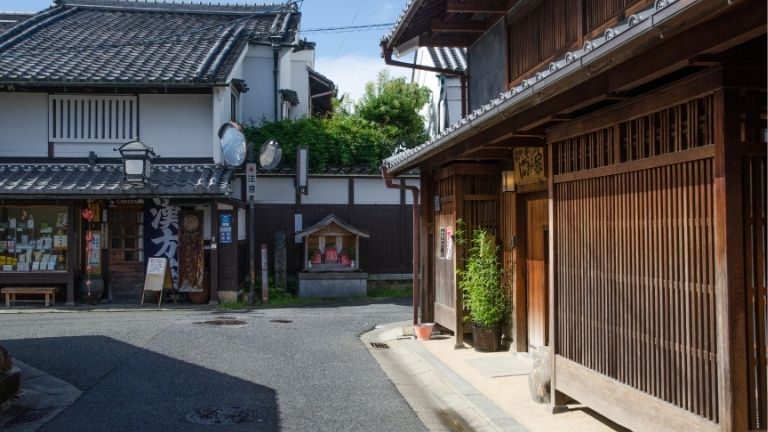
A charming district filled with traditional townhouses, perfect for a relaxed stroll. The narrow streets are dotted with hidden cafes and boutique shops, giving visitors a taste of Japan’s quieter, traditional side—as if stepping back in time.
Nishinokyo Area
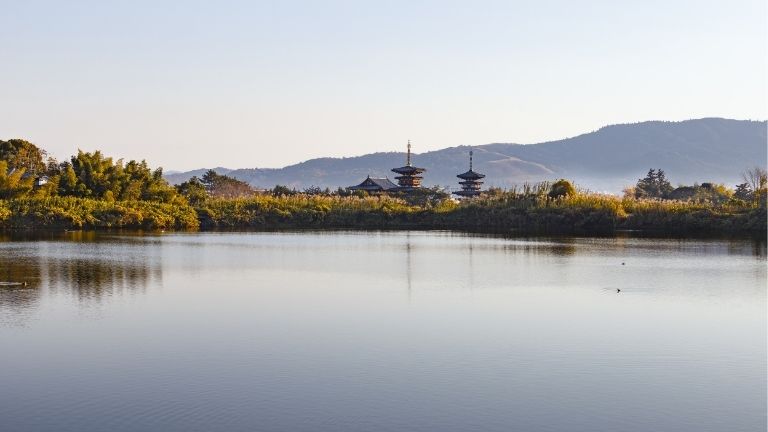
A sacred UNESCO World Heritage site, Nishinokyo preserves stunning architecture that’s over 1,300 years old. Away from the hustle and bustle of the city, this area offers a peaceful atmosphere where visitors can soak up the history and quiet charm of ancient Japan.
Mount Yoshino Area
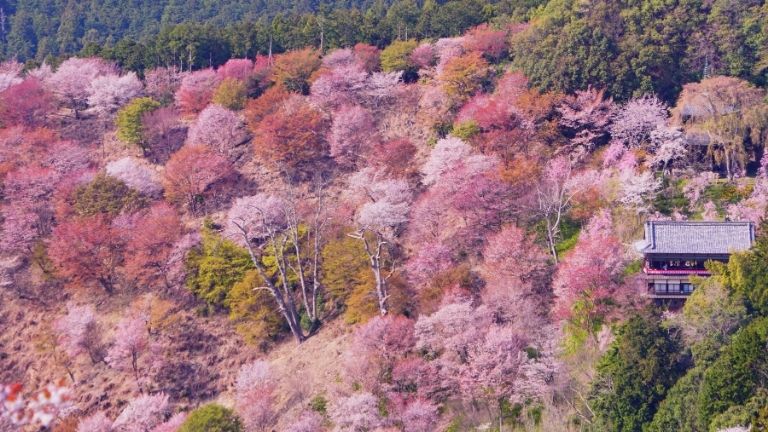
A UNESCO World Heritage mountain region, Mount Yoshino is one of Japan’s most famous cherry blossom destinations. From late March to early April, tens of thousands of cherry trees burst into bloom, covering the mountains in a breathtaking sea of pink. Take the sightseeing limited express Blue Symphony, and the journey itself becomes part of the experience—relaxing in comfort while soaking up some of Japan’s most spectacular spring scenery.
Explore more sightseeing spots and areas in Nara here.
Sightseeing Limited Express Trains: Make Travel Part of the Experience
Kintetsu runs sightseeing limited express trains that turn the journey itself into a highlight of your trip. With interiors designed like a luxurious hotel lounge, these trains serve local sweets and drinks, making your travel time a special experience in its own right.
AONIYOSHI
This sightseeing limited express connects Nara, Kyoto, and Osaka. Designed to offer a graceful journey through the ancient capitals, the train features elegant interiors, spacious seating, and salon-style areas.
Sit back and enjoy the views of historic streets while sampling local treats—transforming the trip between the three cities into a mini cultural experience.
For more details, click here.
Blue Symphony
The Blue Symphony is a sightseeing limited express that travels from Osaka toward Yoshino in Nara. With its striking deep blue exterior and elegant, classic interior, the train offers spacious seating and lounge areas—perfect for a relaxed, upscale journey.
As the train winds through the landscape, the seasonal scenery changes with every kilometre. Sitting back and enjoying the views from the comfort of the carriage turns the journey itself into a memorable and indulgent experience—truly living up to its nickname, the “moving lounge.”
For more details, click here.
Enjoy Osaka, Kyoto, and Nara with Ease
Making travel simple and convenient means you can make the most of your time in Japan. Kintetsu trains directly connect Osaka, Kyoto, and Nara, making it easy to move efficiently between these popular cities.
By using contactless credit card payments, you can breeze through the ticket gates without the hassle of figuring out unfamiliar ticket machines.
With travel stress kept to a minimum, you can focus on the best parts of your trip—wandering the streets, tasting delicious local food, and soaking up Japan’s rich history and culture.
Kintetsu Railway:https://www.kintetsu.co.jp/foreign/english/
REGION INFORMATION
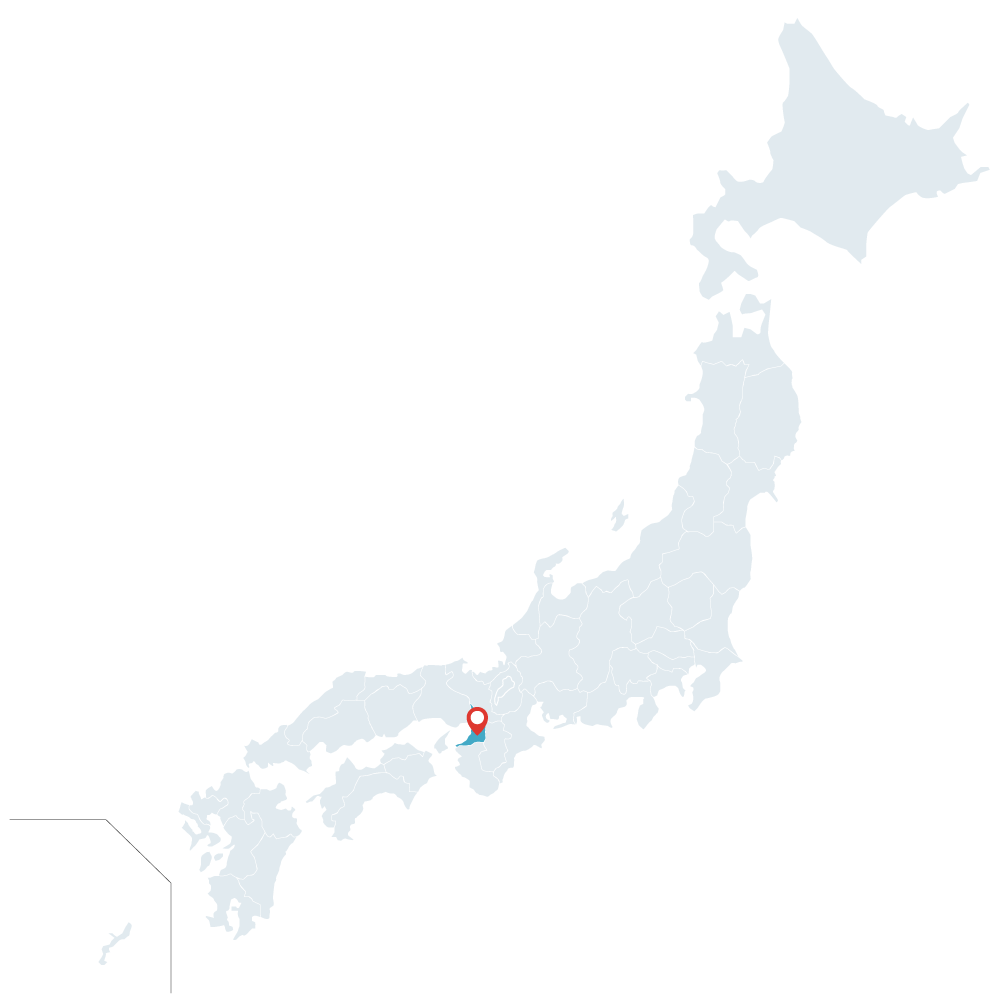
Osaka
 | Temperature: 5
Osaka is the cultural and economical centre of western Japan. It is surrounded by mountains on three sides, however, it’s Osaka’s vibrant and innovative culture that produced sushi trains and the tallest building in Japan that attracts its visitors.