For Australians who love Japan, the next great discovery might lie just north of Tokyo.
While most travellers flock to Tokyo, Kyoto or Hokkaido, the historic region of Aizu in Fukushima Prefecture offers a very different kind of journey — one where samurai traditions, craftsmanship and regional food culture still shape daily life.
Here, travel isn’t just about sightseeing. It’s about stepping into living history.
To showcase the region’s unique character, three new experiential tours have been developed, each highlighting a different aspect of Aizu: its samurai spirit, handcrafted traditions, and rich culinary culture.
Samurai Tour (1 Night, 2 Days)
Where the Samurai Spirit Still Lives
The city of Aizu-Wakamatsu sits in a basin surrounded by mountains, and its identity remains deeply tied to Japan’s samurai past.
During the Edo period, Aizu was ruled by a powerful clan closely connected to the Tokugawa shogunate. Samurai here were known not only as warriors but also as guardians of moral discipline and social order. The values of Bushidō — loyalty, integrity and self-discipline — remain central to the region’s culture today.
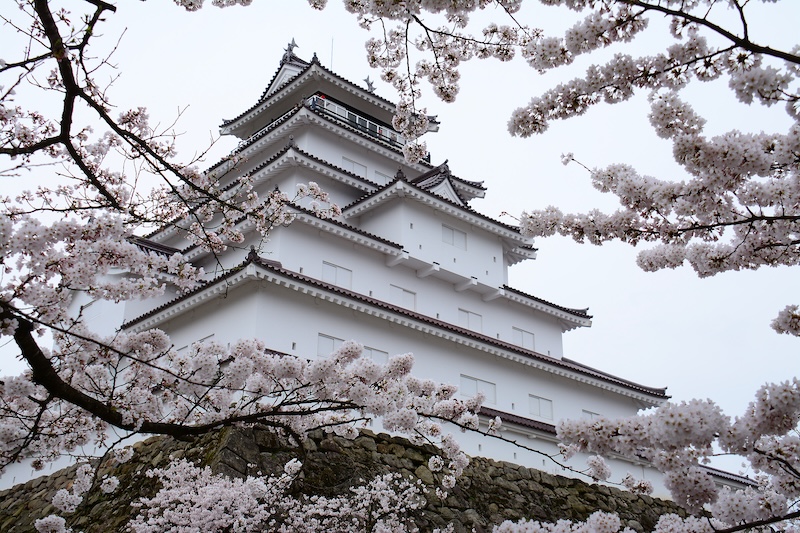
Travellers can begin their journey at Tsuruga Castle, the region’s iconic landmark. Rising above the town with its white walls and red roof, the castle tells the dramatic story of the Boshin War, when Aizu’s samurai fought in one of Japan’s final conflicts of the samurai era.
Nearby, the quiet Rinkaku Teahouse reveals another side of samurai culture — the deep connection between Bushidō and the Japanese tea ceremony, where mindfulness and respect are expressed through a single bowl of tea.
One of the most fascinating experiences takes place at Aizu Clan School Nisshinkan, the former domain school of the Aizu clan.
Here, travellers can try practices once used to train samurai in both body and mind. Meditation sessions introduce the discipline of zazen, while visitors can also experience kyūdō (traditional Japanese archery), where posture, focus and mental discipline are as important as accuracy.
Perhaps most memorable is the opportunity to meet descendants of samurai families, who share stories about how the spirit of Bushidō continues to influence life in Aizu today.
Handcrafted Tour (1 Night, 2 Days)
Craft Traditions Passed Through Generations
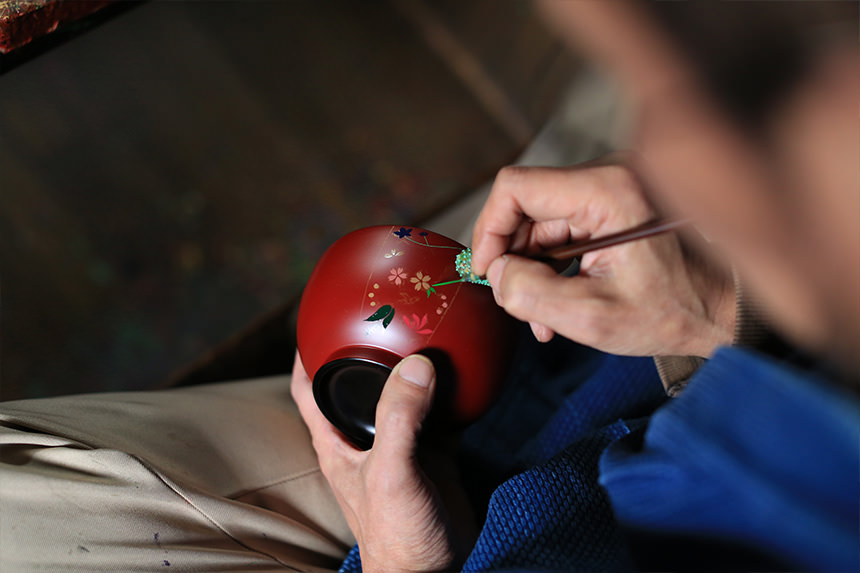
Aizu is also known for its rich craft culture, shaped by centuries of samurai rule and mountain life.
The region developed a philosophy of functional beauty — everyday objects refined through careful craftsmanship and designed to be both practical and elegant.
Visitors can explore workshops producing Aizu lacquerware, famous for its deep red and black finishes. Some experiences even allow travellers to create their own lacquerware pieces under the guidance of local artisans, offering a rare chance to learn the delicate techniques behind this centuries-old craft.
Another highlight is Aizu Hongo Ware Pottery Studio, which evolved from roof-tile production into elegant ceramics used in daily life. Visiting the kilns and meeting potters reveals how these traditions continue to thrive today.
Travellers can also experience the spiritual side of Japanese culture through a tea ceremony at the Mukurogami Castle Tea Pavilion. In a hands-on session led by practitioners of the Urasenke school, guests learn how tea is carefully prepared and served while discovering the Zen philosophy behind the ritual — a practice deeply connected to the discipline and mindfulness that shaped samurai culture.
Together, these experiences reveal a side of Japan where craft, philosophy and daily life remain beautifully intertwined.
Culinary Culture Tour (1 Night, 2 Days)
A Region Defined by Mountains and Water
Fukushima’s landscapes also play a huge role in shaping the region’s culture and cuisine.
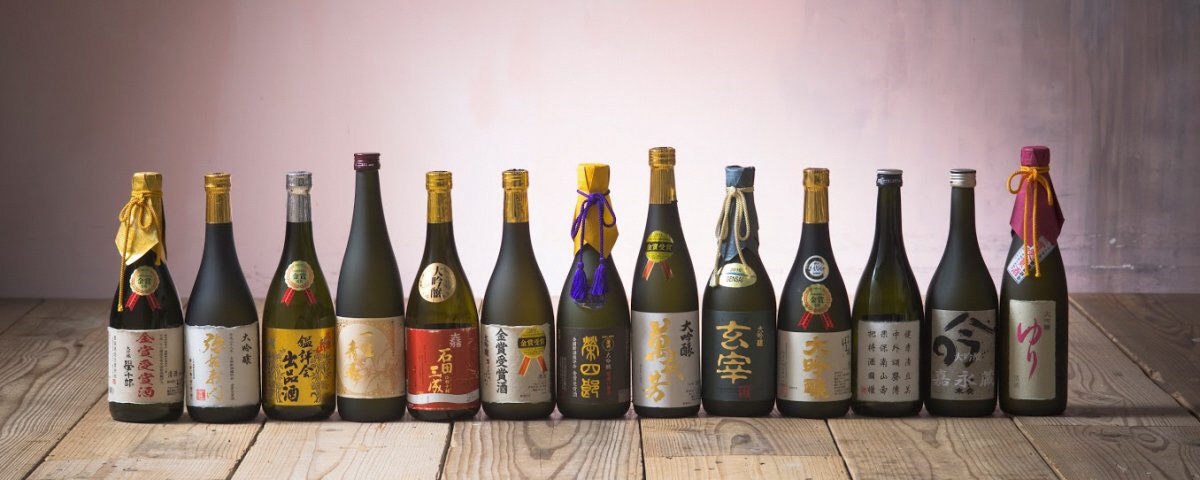
Surrounded by mountains and fed by pure underground water, Aizu developed strong traditions of fermentation, brewing and regional food culture. Seasonal temperature differences bring out the natural flavours of local ingredients, creating a cuisine deeply connected to the land.
One of the highlights of the region is a guided visit to the Yamatogawa Sake Brewery and Kitakata Fudo-kan, where visitors can learn about Aizu’s agriculture, fermentation traditions and the role of water and climate in shaping the region’s sake.
The culinary journey continues at Atsushio Onsen Yamagataya, where guests can enjoy an Aizu food and sake pairing dinner. Locally sourced dishes are served alongside regional sake using traditional Aizu lacquerware, creating a multi-sensory experience that reflects the area’s refined food culture.
Travellers can also visit the Eikawa Whisky Distillery, where whisky production is shaped by Aizu’s exceptionally pure mountain water. Here, traditional craftsmanship meets modern distilling techniques to produce a distinctive regional whisky.
Together, these experiences reveal how food, water and craftsmanship combine to define the culinary identity of Aizu.
For more details: https://www.dropbox.com/scl/fi/mixmz3w85te555wdfx0nz/AIZU-The-HeartLand-of-Samurai-Spirit.pdf?rlkey=107clad1kqg8ksy3bd22s5gf2&st=rc4dv51r&dl=0
REGION INFORMATION
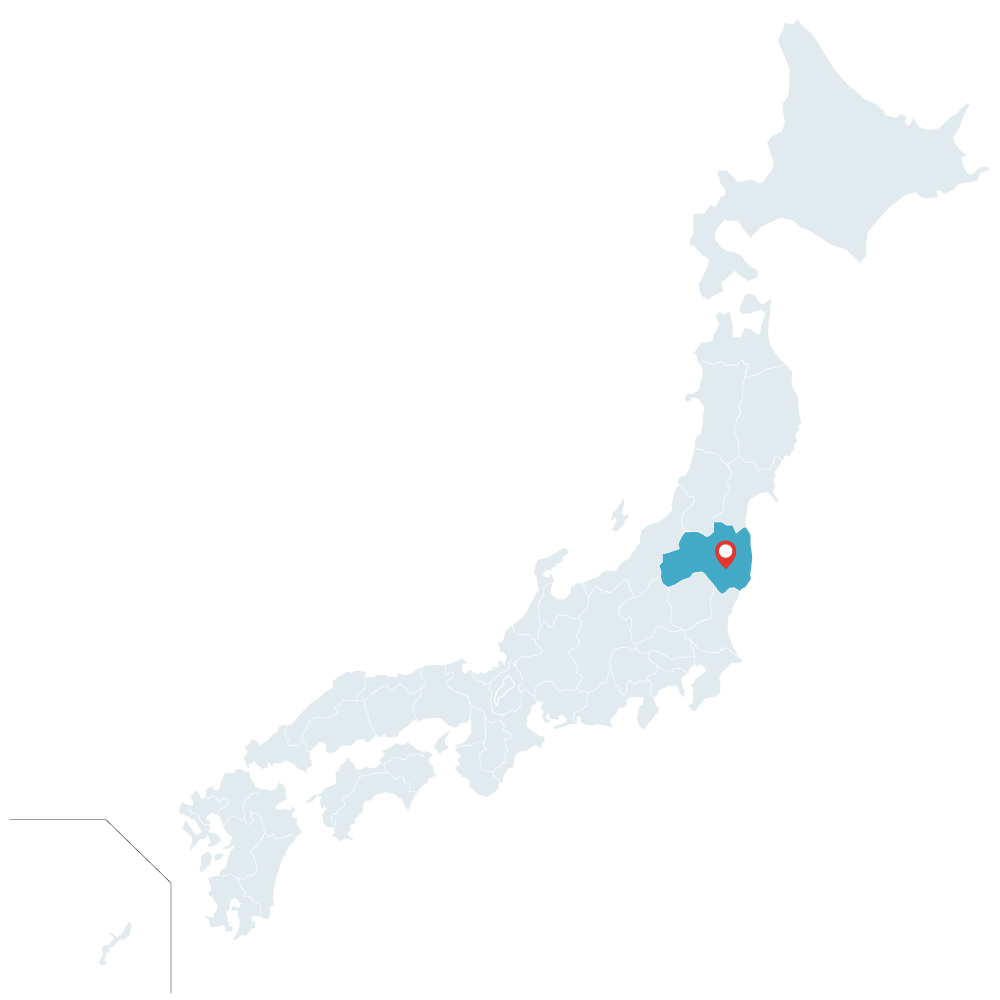
Fukushima
 | Temperature: 3
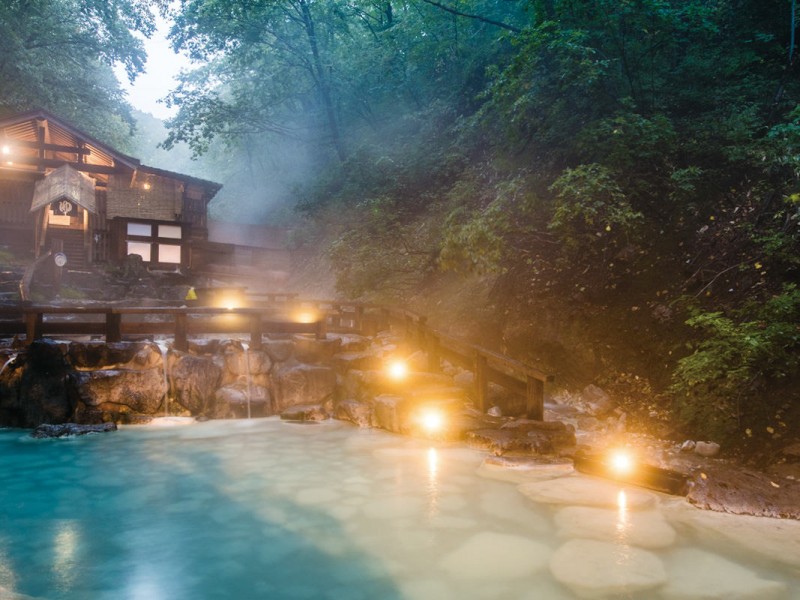
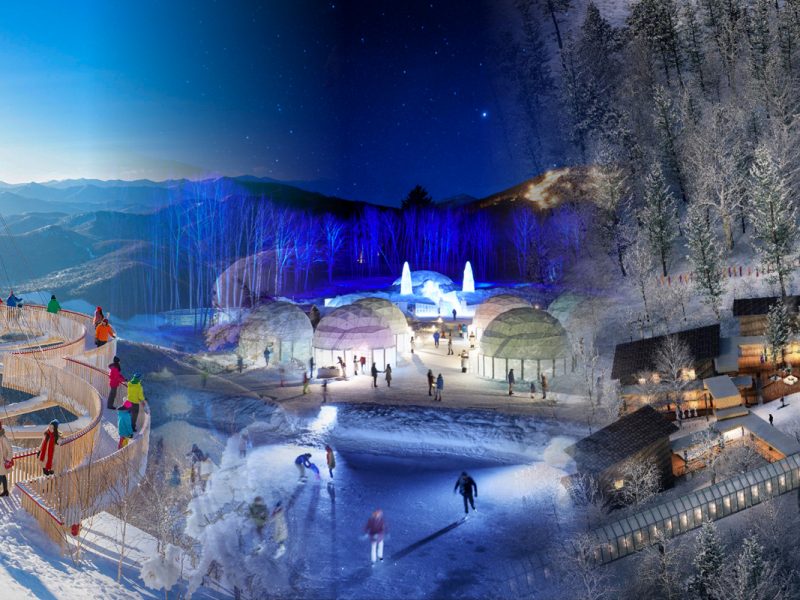
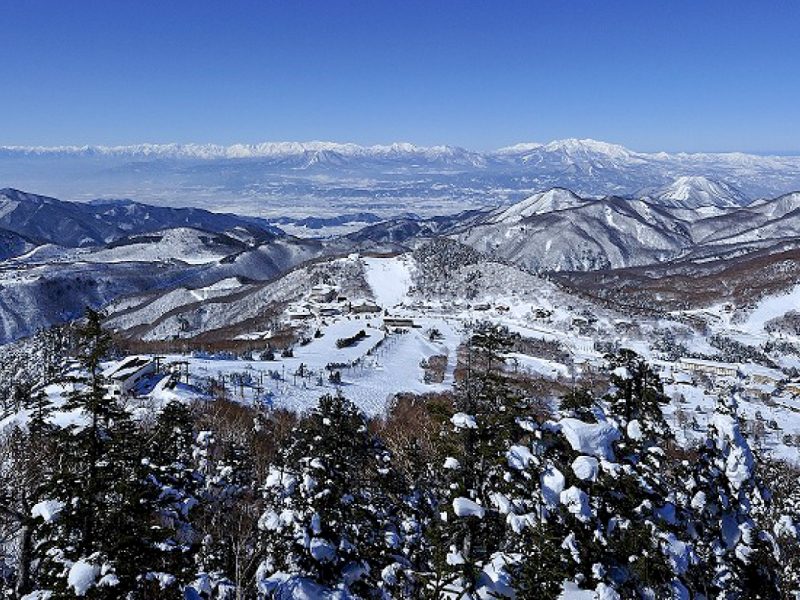
Located just over an hour ride away on the bullet train from Tokyo, Fukushima offers a great array of activities. Each season brings a different set of attraction to the visitors of Fukushima, such as camping in summer and swan watching in winter.